Purple African Embroidery for Boutique Sweatshirts
As an embroidery designer who has spent years curating collections for small clothing brands and Etsy sellers, I approach every new digital file with a critical eye. Today, I am reviewing Purple African Embroidery, a design that promises bold patterns and rich cultural style. The goal is to determine if this specific machine embroidery design can elevate a premium sweatshirt collection or if it falls short of commercial standards. When preparing a limited drop for a boutique brand, the difference between a great product and a mediocre one often lies in the stitch quality and the visual impact of the motif.
First Impressions: Mood and Visual Impact
The moment I open the preview for Purple African Embroidery, the mood is immediately striking. It does not whisper; it declares presence. The description highlights "bold patterns," and visually, this translates into a design that feels both ancient and modern. For a small shop product line, this kind of visual weight is essential. Unlike many single flowers or minimal motifs that get lost on heavy fabrics, this design commands attention. The purple hue suggested by the title offers a regal, deep tone that pairs exceptionally well with neutral backgrounds. If you are looking for a hoodie design that feels feminine yet strong, this file delivers exactly that energy.
However, as a professional, I must look beyond the pretty colors. The layout appears dense, which is typical for African-inspired patterns. This density creates a rich texture that mimics traditional textile art. On a finished product, this means the garment will feel substantial and high-end. It moves away from the "cute" or "playful" aesthetic often found in mass-market apparel and leans heavily into a decorative, artistic statement piece. For a handmade business owner aiming to build a brand identity rooted in culture and craftsmanship, this design asset is a powerful tool.
Evaluating Placement on Premium Apparel
When translating a digital embroidery file into physical custom apparel, placement is everything. I envision Purple African Embroidery working beautifully on oversized hoodies. A large back print would create a stunning focal point, turning a simple sweatshirt into a centerpiece. Alternatively, placing this motif on the chest of a crewneck sweatshirt could serve as a sophisticated logo alternative for a boutique brand. The intricate details within the pattern suggest that it should not be shrunk too much; maintaining a larger hoop size ensures the cultural nuances remain visible.
Consider the fabric interaction. Sweatshirt embroidery requires a balance between thread coverage and fabric stretch. On dark fabric, such as charcoal grey or black, the purple tones would pop vibrantly, creating a high-contrast look that screams luxury. Conversely, on pastel colors like lavender or cream, the design might take on a softer, more ethereal vibe, perfect for seasonal spring collections. Even on cozy seasonal apparel like fleece-lined hoodies, the clean stitch detail mentioned in the product description suggests the threads will lay flat without puckering, provided the correct stabilizer is used.
Sleeve Accents and Small Scale Applications
While the main body of the design is bold, I also see potential for using segments of Purple African Embroidery as sleeve accents. For an Etsy seller offering custom branding, a smaller version on the cuff or upper arm adds a touch of exclusivity. However, caution is required here. Complex patterns can lose definition when scaled down. Before committing to production, I would always test a small-size readability sample. If the intricate lines blur together, the premium feel is lost. This is a common pitfall for digital sellers who assume a design works at all scales. Always verify the stitch count and clarity before finalizing your mockup previews.
Technical Considerations for Commercial Use
For any apparel decorator or embroidery shop, the technical execution is just as important as the visual appeal. Purple African Embroidery features what is described as "clean stitch det," which is promising. Clean stitches mean fewer jump stitches and better color transitions, reducing the time spent on post-production trimming. This efficiency is crucial for small businesses operating on tight margins. However, the bold nature of the pattern implies a higher stitch density. High density on thick fabric like sweatshirts demands a robust stabilizer choice. Using a cutaway stabilizer is likely necessary to prevent the design from sinking into the loops of the fleece or cotton blend.
Thread color contrast is another vital factor. While the design is titled "Purple," successful commercial embroidery often relies on a palette that complements the base fabric. I would recommend experimenting with metallic or variegated threads to enhance the richness of the African-inspired style. This elevates the perceived value of the finished product. Furthermore, washing durability must be considered. A design with high density and good underlay stitching will withstand repeated washes without fraying, ensuring customer trust and repeat business. If the file lacks detailed instructions on thread types or stabilizer recommendations, it is wise to check those details before production begins.
Building Brand Identity Through Design
In the crowded marketplace of handmade products, your design assets define your brand. Using Purple African Embroidery signals to your customers that you value cultural heritage and artistic integrity. It differentiates your boutique merchandise from generic, screen-printed tees. When a customer sees a close-up photo of the embroidery in your lifestyle product photography, they can almost feel the texture. This tactile quality builds buyer trust and justifies a higher price point. For a creative entrepreneur, this design is not just a decoration; it is a storytelling element.
Whether you are listing this on Etsy or showcasing it on your own website, the unique DIY embroidery projects potential of this file allows for versatility. You can offer it as a standalone digital download for crafters or use it to create exclusive runs for your shop. The ability to adapt this machine embroidery design across various mediums—from home decor to accessories—expands your revenue streams. Just remember that the success of the project hinges on how well you match the design to the right fabric texture and hoop size.
Final Verdict for Boutique Collections
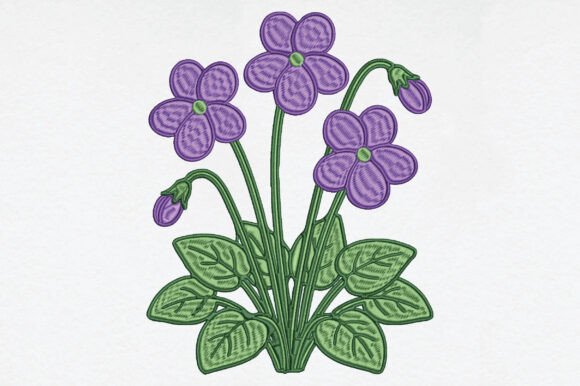
After a thorough review, Purple African Embroidery stands out as a strong contender for a premium sweatshirt collection. Its bold patterns and rich cultural style offer a level of sophistication that many standard floral or geometric designs lack. It fits perfectly within the category of Embroidery that aims to make a statement rather than just fill space. While categorized under Single Flowers in some databases, its complexity suggests it functions more as a full motif suitable for significant branding opportunities.
For the small clothing brand ready to launch a limited drop, this design offers the visual recognition needed to stand out. It balances the casual comfort of a hoodie with the elegance of fine art. As long as you pay attention to stabilizer choices and thread contrast, this embroidery file will result in a finished product that customers will love to wear and share. It is a testament to how a well-chosen digital embroidery file can transform a simple garment into a cherished piece of wearable art.