Personalized Healthcare Embroidery File Review
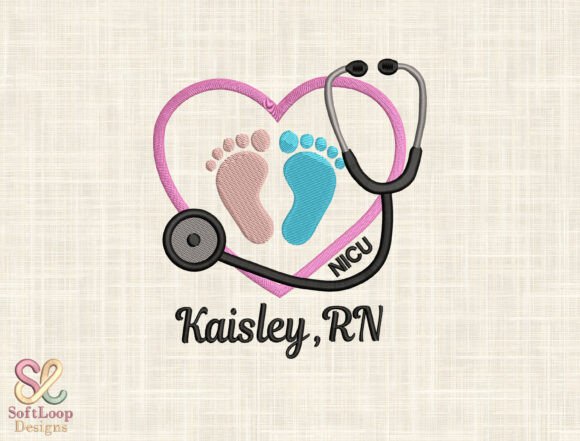
As an embroidery designer who has spent years translating digital concepts into tangible thread on fabric, I approach every new machine embroidery design with a critical eye. My focus is not just on how pretty a pattern looks on a screen, but how it performs when stitched onto merchandise for small businesses. Today, I am reviewing the Personalized Healthcare Embroidery File, a design described as a celebration of tiny miracles and the incredible nurses in the NICU. This soulful design features a pink heart frame beautifully integrated with medical motifs, positioning itself within the Nursery category while offering significant potential for professional branding.
First Impressions: Visual Personality and Professional Appeal
When I first loaded this embroidery file into my digitizing software, the immediate impression was one of warmth and compassion. The description highlights a "pink heart frame," which suggests a soft, inviting aesthetic rather than a sterile clinical look. For a small business owner or an apparel decorator looking to create items that resonate emotionally, this design strikes a delicate balance between playful and professional. It feels handmade yet polished, making it an excellent candidate for brands that want to project care and trustworthiness.
The integration of the heart frame with medical elements like footprints and stethoscopes creates a cohesive visual story. In the world of brand identity, consistency is key. This design offers a unified look that can instantly communicate a brand's dedication to pediatric care or family support. Unlike generic clip art, this digital embroidery file appears to have been crafted with specific attention to flow and composition, which is crucial for high-quality output.
Evaluating Real-World Business Applications
For those running boutique shops, creative studios, or specialized merch lines, the versatility of the Personalized Healthcare Embroidery File is its strongest asset. Let’s break down where this design shines in a commercial setting:
- Staff Uniforms and Aprons: Imagine a private pediatric clinic or a newborn photography studio. Placing this design on the chest pocket of a nurse's scrub top or the bib of a caregiver's apron adds a personal touch. Apron embroidery with this motif transforms a standard work garment into a statement of empathy. It tells customers immediately that the staff cares deeply about their patients.
- Custom Apparel and Caps: This design works exceptionally well as a cap embroidery element. On a baseball cap worn by hospital volunteers or event staff, the heart frame acts as a focal point. The circular nature of many caps complements the framing style of the design, ensuring it sits naturally without distortion.
- Tote Bags and Gift Items: For a boutique selling baby gear or a florist creating sympathy arrangements, a tote bag design featuring this artwork is perfect. It elevates the perceived value of the item from a simple utility bag to a thoughtful gift. When used on tote bags, the larger surface area allows the intricate details of the heart frame to be fully appreciated.
- Branded Patches: One of the most effective ways to use this embroidered patch design is as a detachable accessory. Small businesses can sell these patches individually or attach them to denim jackets, backpacks, or uniforms. This modular approach allows for inventory flexibility; you produce the patches once and apply them to various products as demand dictates.
Critical Considerations for Production
While the design concept is strong, a professional review requires us to address potential pitfalls. As an experienced designer, I must advise caution regarding specific application scenarios to ensure the finished product meets quality standards.
Stitch Density and Fabric Texture
Heart frames often involve curved lines and overlapping elements. If the stitch density is too high, the design may pucker on lightweight fabrics like silk or thin cotton blends commonly used in nursery items. Conversely, if the density is too low, the pink thread might show through on dark uniforms, ruining the contrast. Always test the design on a scrap piece of the actual fabric intended for production. Check the back of the stitching to ensure there are no excessive pulls or tension issues.
Size Constraints and Detail Clarity
This design includes text and small iconography (footprints, stethoscopes). When scaling down for a small patch or a sleeve detail, these elements risk becoming indistinguishable blobs of thread. I recommend avoiding sizes smaller than 2 inches in diameter unless you are willing to simplify the design significantly. For cap embroidery, ensure the hoop size accommodates the curve of the brim without distorting the heart shape. A distorted heart frame can look unprofessional and damage your brand identity.
Color Contrast and Thread Selection
The description mentions a "pink heart frame." While pink is traditional for this theme, using it on a light-colored uniform may result in poor visibility. For maximum impact on small business merch, consider using a darker shade of pink or adding a contrasting outline. Thread colors must be selected carefully to ensure they pop against the background fabric. Always create a printable mockup with your chosen color palette before committing to bulk production.
Strategic Implementation for Brand Growth
Using the Personalized Healthcare Embroidery File correctly can significantly boost customer engagement and trust. In the healthcare and nursery sectors, visuals play a massive role in how clients perceive safety and care. A well-executed embroidered logo on a staff member's uniform signals professionalism and attention to detail.
For Etsy sellers and handmade brands, this design serves as a powerful differentiator. Instead of printing logos, embroidery adds texture and a premium feel to your products. It transforms a standard t-shirt into a collectible item. However, remember that commercial embroidery requires proper licensing. Before using this design assets for any revenue-generating project, confirm the license terms allow for resale and commercial use. Never assume a design is free for commercial purposes just because it is available online.
Designer's Checklist for Success
To ensure your project succeeds, follow these practical steps before stitching your first batch:
- Test in Black and White: Run a test stitch in black thread first. This helps you identify structural issues, such as jump stitches or registration errors, without wasting expensive colored thread.
- Verify Hoop Size: Confirm that your machine's hoop can accommodate the full width and height of the design. If the design exceeds your hoop, you will need to split it, which can ruin the alignment of the heart frame.
- Select the Right Stabilizer: For knit fabrics or stretchy materials, use a tear-away or cut-away stabilizer appropriate for the weight of the fabric. This prevents the embroidery from warping over time.
- Review Spacing: Ensure there is enough negative space around the design so it doesn't look crowded, especially when placed near seams or pockets.
- Create Client Mockups: If you are producing this for a client, provide realistic photos showing the design on the actual garment. This manages expectations and reduces the chance of rejection.
- Check Wash Durability: After stitching, wash and dry a sample item to ensure the threads do not fade or unravel. This is critical for uniforms and items that require frequent cleaning.
In conclusion, the Personalized Healthcare Embroidery File is a compelling option for businesses aiming to connect emotionally with their audience. Its blend of medical symbolism and heartfelt design makes it ideal for custom apparel in the healthcare and parenting niches. By paying close attention to technical details like stitch density, sizing, and fabric compatibility, you can turn this digital file into a high-quality physical asset that enhances your brand's reputation. Whether used on a volunteer cap, a nurse's apron, or a commemorative tote bag, this design has the potential to tell a story of care and dedication, one stitch at a time.