Happy Bee Embroidery Design Review
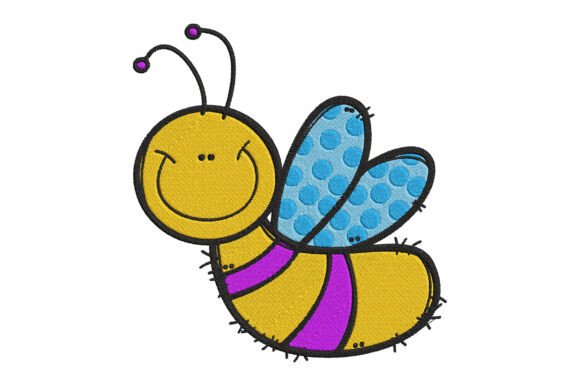
As a professional embroidery designer who has spent years translating digital files into tangible brand assets, I approach every new machine embroidery design with a critical eye. My focus is not just on whether the image looks cute on a screen, but how it performs when stitched onto fabric for commercial use. Today, I am reviewing the Happy Bee Embroidery Design. This file promises to add cheerful charm to handmade creations, featuring a smiling bee with bright colors, playful wings, and an adorable cartoon style. But does this translate effectively into high-quality small business merch, branded patches, or staff uniforms? Let's dive into a real-world evaluation of this asset.
First Impressions: Visual Personality and Brand Fit
When I first opened the preview of the Happy Bee Embroidery Design, the immediate feeling was one of approachability and warmth. The description highlights a "smiling bee" and "playful wings," which instantly categorizes this as a friendly, accessible graphic rather than a corporate or minimalist logo. For businesses in the creative sector—such as local bakeries, florists, boutique cafes, or pet brands—this visual personality is a significant asset. It signals that your brand is handmade, caring, and community-focused.
In the world of brand identity, a design like this serves as an emotional anchor. Unlike stark geometric logos, a cartoon-style bee invites engagement. It feels rustic yet modern, perfect for a brand that wants to stand out on a shelf of generic products. However, the key to success lies in execution. A "cartoon style" can sometimes suffer from excessive detail that gets lost in stitching. My initial assessment is that this design works best when used as a focal point, such as a chest logo accent or a standalone patch, rather than a tiny detail hidden in a corner.
Performance in Real Business Applications
The true test of any embroidery file is its versatility across different merchandise types. Here is how the Happy Bee Embroidery Design holds up in specific commercial scenarios:
- Embroidered Patches: This is likely the strongest use case for this design. The distinct shape of the bee and its bright colors make it ideal for iron-on or sew-on patches. These can be applied to denim jackets, backpacks, or tote bags, serving as a collectible item for loyal customers or a unique gift at craft fairs.
- Staff Uniforms and Aprons: For a bakery or cafe, apron embroidery featuring a happy bee creates an instant team identity. It softens the look of workwear, making staff appear more welcoming. Placing this on the bib of an apron or the pocket of a chef's coat adds a touch of whimsy without compromising professionalism.
- Cap Embroidery: The compact nature of a bee makes it suitable for cap embroidery. Whether centered on the front panel or placed on the side, it offers a bold statement. The curved surface of a cap requires careful digitizing, so ensure the wings do not distort when stretched over the dome.
- Tote Bag Design: As a tote bag design, the bee acts as a walking billboard. Bright thread colors against canvas create high contrast, ensuring visibility. This is excellent for event merch or as a freebie with purchase to encourage social sharing.
- Product Packaging Accents: Beyond apparel, consider using this as a label on handmade product packaging. A small embroidered tag attached to a jar of honey, a bundle of herbs, or a set of candles elevates the perceived value of the finished product.
Critical Considerations for Production
While the concept is charming, there are specific areas where the Happy Bee Embroidery Design requires careful handling to avoid production headaches. As designers, we know that what looks good digitally can fail physically if technical parameters are ignored.
Size and Detail Constraints
Cartoon styles often rely on smooth curves and defined outlines. If you attempt to shrink this design too much for a tiny patch or a sleeve detail, the "playful wings" may lose their definition. Small patch sizes demand simplified lines. Always verify that the stitch density remains balanced; too many stitches in a small area can cause puckering, especially on lightweight fabrics.
Fabric Texture and Color Contrast
The description mentions "bright colors." While vibrant threads are great, they must be tested against your specific fabric texture. On dark uniforms, light-colored bees pop beautifully, but on textured knits or heathered fabrics, fine details might get lost. Always run a test stitch on the actual material you plan to use. Additionally, check the thread colors for contrast. A yellow bee on a green shirt works well, but a similar shade might blend in, reducing visibility.
Durability and Washing
For items that require frequent washing, such as aprons or work shirts, the longevity of the design is paramount. High stitch density areas, particularly around the smiling face and wing edges, should be inspected for potential snagging. Ensure the backing stabilizer is appropriate for the fabric weight to prevent the design from cracking or peeling over time.
Impact on Brand Identity and Customer Trust
Using a cohesive design asset like the Happy Bee Embroidery Design directly influences customer perception. Consistency is the cornerstone of trust. When a customer sees the same cheerful bee on your website mockup, your staff's apron, and the tote bag they take home, it reinforces a sense of reliability and attention to detail.
This design elevates the handmade product aesthetic. In a market saturated with mass-produced goods, a custom-embroidered element suggests craftsmanship. It tells the buyer, "This brand cares about the little things." This emotional connection drives buyer engagement and can justify a higher price point for your merchandise. Whether you are an Etsy seller or running a local boutique, these design assets transform ordinary items into branded experiences.
Practical Designer Notes for Implementation
Before committing to a bulk order or launching a new line of custom apparel, follow these practical steps to ensure the Happy Bee Embroidery Design performs flawlessly:
- Test in Black and White: First, view the file in grayscale. Does the outline hold up without color? If the shape falls apart, the digitizing needs adjustment before adding thread.
- Verify Hoop Size: Confirm the dimensions of the design against your machine's hoop size. If the bee is too large for your standard hoop, you may need to re-hoop or split the design, which can affect alignment.
- Check Stabilizer Needs: Determine if you need cut-away or tear-away stabilizer based on the fabric. Stretchy materials will require stronger support to keep the bee's smile straight.
- Create a Printable Mockup: Generate a printable mockup showing the design on your actual product. This is crucial for client approval and helps visualize scale and placement.
- Compare with Other Assets: Place the bee beside your existing logo or other digital embroidery file assets. Does it clash visually, or does it complement your current palette?
- Confirm Licensing: Before any commercial embroidery project, double-check the license terms. Ensure you have the right to use this file for resale items like patches and branded clothing.
In conclusion, the Happy Bee Embroidery Design is a versatile and charming addition to any creative studio's library. With its friendly aesthetic and adaptable form, it bridges the gap between playful creativity and professional branding. By respecting the technical requirements of embroidery and testing thoroughly, you can turn this simple bug into a powerful symbol for your business. Whether it ends up on a cap, a tote, or a uniform, this design has the potential to bring a genuine smile to your customers and a boost to your brand's recognition.