Classic Horse Embroidery: A Designer's Practical Review
As a designer who has spent years navigating the intersection of digital art and physical stitching, I approach every new machine embroidery design with a critical eye. It is not enough for a file to look good on a screen; it must translate seamlessly into thread, stabilizer, and fabric. Today, I am evaluating the Classic Horse Embroidery, a digital asset that promises timeless appeal but requires careful consideration before being applied to your next commercial or personal project.
The First Impression: Mood and Visual Weight
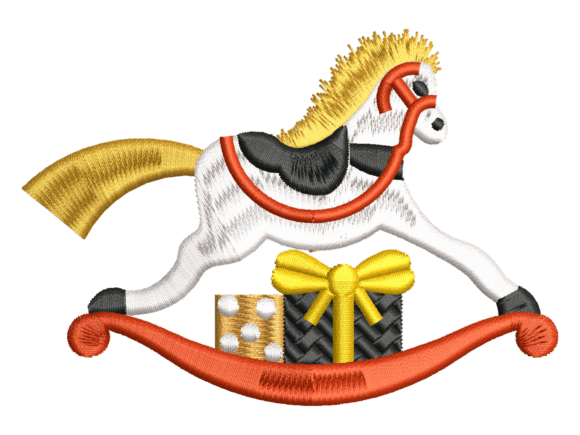
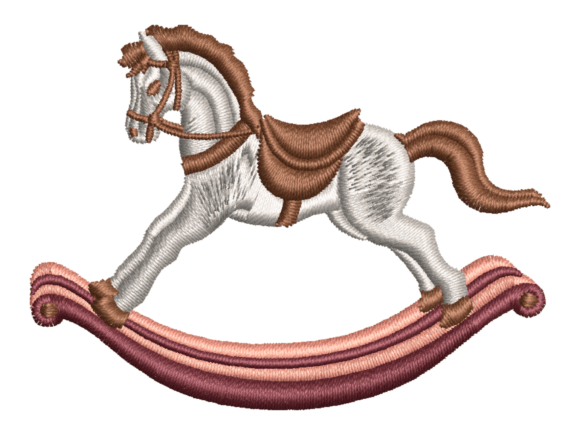
When I first loaded the preview for the Classic Horse Embroidery, the immediate feeling was one of nostalgic charm. The silhouette is clean, avoiding the overly intricate details that often lead to registration issues on home machines. This design leans heavily into a traditional aesthetic, making it an excellent candidate for projects where character and warmth are more important than hyper-realism. The layout suggests a balanced composition, which is crucial when you are planning a finished product like a baby blanket or a nursery wall hanging.
However, visual weight is a key factor here. The horse motif appears substantial, meaning it will carry well on heavier fabrics but might overwhelm delicate materials if not scaled correctly. For an Etsy seller looking to expand their catalog of handmade products, this design offers a distinct personality. It feels less like a generic clip-art and more like a curated piece of art ready for transformation into a personalized gift.
Real-World Application: From Digital File to Stitched Reality
To truly understand the value of this embroidery file, we must imagine it in action. Let’s say you are preparing a line of custom tote bags for a local craft fair. You need a design that pops against canvas but doesn't feel too industrial. The Classic Horse Embroidery fits this scenario perfectly. Its bold lines ensure that even from a distance, the subject is recognizable, which is vital for small shop merchandise displayed in a crowded booth.
Consider also the application on custom apparel. If you were creating a limited run of sweatshirts for a boutique, this design could serve as a focal point on the chest or back. The simplicity of the shape allows for creative use of thread colors. While a classic brown or black works, imagine the impact of a vibrant teal or a soft lavender against a charcoal gray sweatshirt. This versatility increases the perceived value of the finished product, allowing customers to see themselves in the item immediately.
For those focusing on children's items, the Toys category often overlaps with nursery decor. A baby embroidery project using this design on a onesie or a pillow cover can create a delightful, gender-neutral theme. The gentle curves of the horse suggest movement without aggression, making it safe and appealing for young audiences. Whether it is a holiday embroidery gift or a year-round staple, the design holds up well in these contexts.
Navigating Technical Challenges and Fabric Choices
While the design is robust, it is not without its constraints. As a professional reviewer, I must advise caution regarding specific applications. On thin or highly stretchy fabrics, such as jersey knit t-shirts, the density of the fill stitch in the horse's body could cause puckering. To mitigate this, a heavy-duty cut-away stabilizer is non-negotiable. Skipping this step will ruin the drape of the garment and lower the quality of your commercial embroidery output.
Similarly, curved surfaces like caps present a unique challenge. The hooves and tail of the horse have defined points that may struggle to lay flat on a rounded brim. If you intend to use this as a cap embroidery design, consider resizing it slightly smaller or adjusting the hoop tension to accommodate the curve. Additionally, dark fabrics require a high-contrast thread palette. Without sufficient contrast, the details of the mane and legs may get lost, diminishing the clarity of the design assets.
Small hoop sizes are another area for concern. If you are working within a 4x4 inch hoop, you must ensure the design does not become too pixelated or lose its definition. Always check the maximum dimensions provided in the file metadata. Attempting to force a large design into a small space results in a muddy appearance that damages your reputation as a craft business owner.
Strategic Advice for Designers and Makers
Before committing to a full production run, always test the Classic Horse Embroidery on scrap fabric. This simple step reveals potential issues with stitch density and thread breaks that a screen preview cannot show. Pay close attention to the transition between satin stitch borders and fill areas; sometimes, the balance needs manual adjustment depending on your machine's capabilities.
Furthermore, create printable mockups to visualize the design on different backgrounds. Compare how it looks on light linen versus dark denim. This helps in setting accurate expectations for your customers and prevents returns due to "not what I expected" scenarios. Remember, since this is a digital product delivered in ZIP or RAR format, there are no returns or refunds after purchase. Therefore, due diligence before downloading is essential.
For those selling finished goods, verify the licensing terms included with your purchase. Ensure you are permitted to sell items featuring the Classic Horse Embroidery commercially. Using a design without proper rights can lead to legal complications that threaten your entire creative entrepreneur venture. Once cleared, this design can be a powerful addition to your portfolio, enhancing brand consistency and buyer engagement through its recognizable and charming aesthetic.
Final Verdict on Product Value
The Classic Horse Embroidery stands out as a reliable tool for designers who value clarity and character over excessive detail. It excels in applications requiring strong visual presence, such as embroidered patches, aprons, and kitchen towels. While it demands respect for fabric limitations and proper stabilization, the reward is a high-quality handmade presentation that resonates with buyers looking for authentic, personalized items.
Whether you are a hobbyist adding a touch of equestrian charm to a holiday gift or a seasoned decorator building a collection of apparel decorators favorites, this design offers a solid foundation. By understanding its strengths and navigating its technical requirements, you can transform a simple digital file into a tangible, cherished object that speaks volumes about your craftsmanship.